
Slip and Fall Lawyer in Miami for Premises Liability Cases
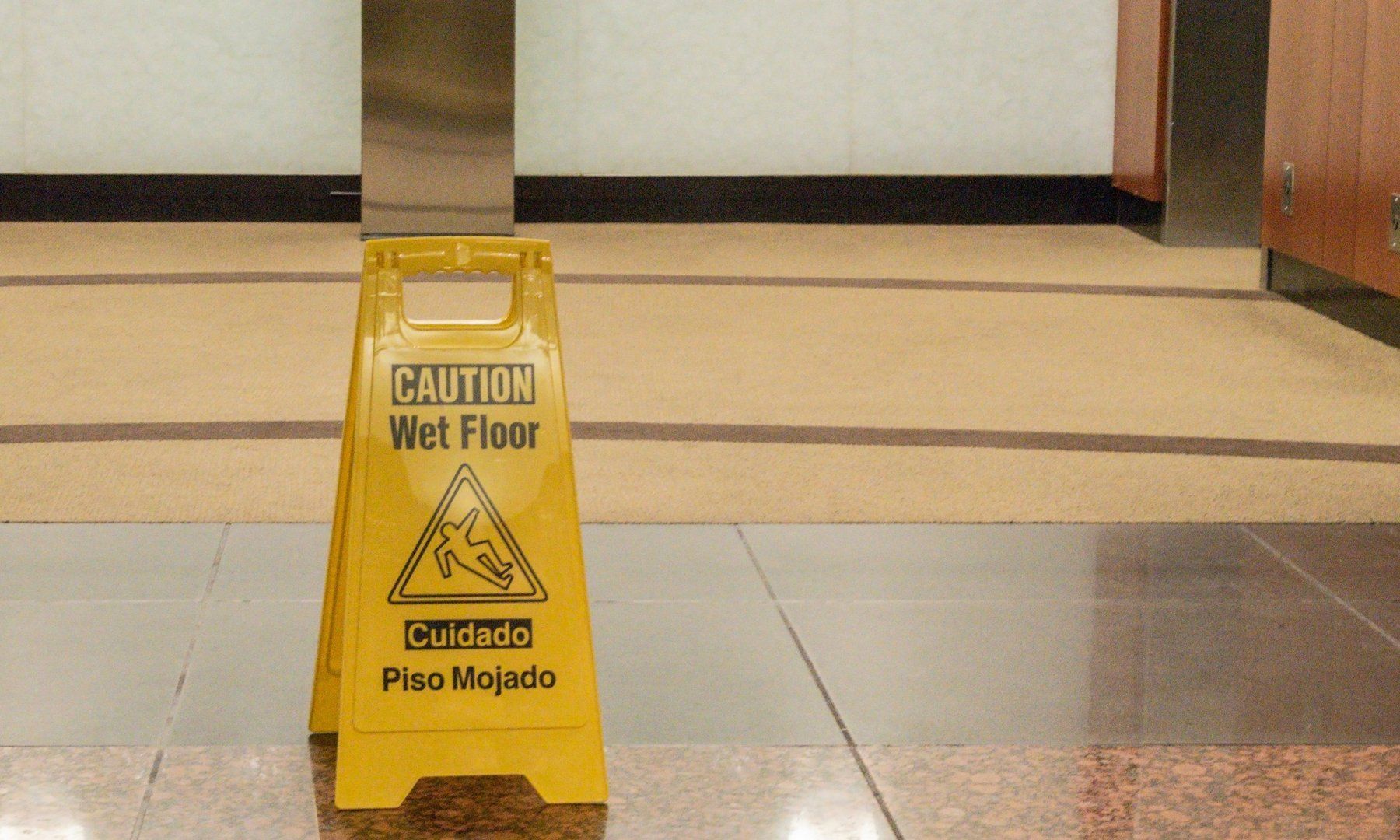

Slip and Fall Cases in Florida Come Down to What You Can Prove
After a slip and fall, most people are left wondering whether the property owner is actually responsible. In Florida, these cases often focus on whether a business knew—or should have known—about a dangerous condition, such as a spill or unsafe surface. This is commonly referred to as "actual or constructive knowledge," and it plays a central role in how claims are evaluated. Finlay Law Firm helps you understand what applies to your situation and how to build a case around the right evidence from the start.
In Miami-Dade, these incidents frequently happen in grocery stores, shopping centers, hotels, parking garages, and other high-traffic areas. Conditions like wet floors, poor lighting, or uneven surfaces can create risks that aren't always addressed in time. Understanding how these environments factor into your case helps make the process feel more clear and grounded.
What You Must Prove in a Florida Slip and Fall Case
To move forward with a claim involving a business property, the focus is often on showing one of the following.
Actual Knowledge
The business or property owner was aware of the dangerous condition and did not address it.
Constructive Knowledge
The condition existed long enough that it should have been discovered and corrected through reasonable care.
Foreseeable Risk
The type of hazard was common enough that preventative steps should have been in place.
This legal framework gives structure to your case and helps determine whether liability can be established.
Evidence That Can Strengthen Your Case Early
Incident Report
If available, this can document what happened at the time of the fall.
Photos and Video
Images of the hazard, surrounding area, and your injuries help preserve details.
Shoes and Clothing
These may become relevant if the condition of the surface is questioned.
Witness Information
Names and contact details can support your account of events.
Medical Records
Early documentation helps connect your injuries to the incident.
Gathering this information quickly helps protect your ability to show what happened and why it matters.
How Insurance Companies Approach Slip and Fall Claims
After an incident, insurance adjusters may begin reviewing the situation right away. From the outside, it can seem straightforward—but there are patterns in how these claims are handled that can affect your outcome.
Requesting Early Statements
What you say initially can influence how responsibility is evaluated.
Reviewing Surveillance Footage
Video evidence may exist, but accessing it quickly is important before it's overwritten.
Questioning Timing and Conditions
Adjusters may focus on whether the hazard was present long enough to be noticed.
Minimizing Severity
Early assessments may not reflect the full extent of your injuries.
If your situation involves broader injury concerns, it may help to understand how personal injury claims are structured overall.
Common Situations Where Slip and Fall Claims Arise
This is where having a single, structured approach helps you avoid getting bounced between insurers without clear answers.
Grocery Store Spills
Liquids or debris left unattended can create immediate hazards.
Hotel and Resort Conditions
Wet surfaces, poor maintenance, or lighting issues can lead to falls.
Parking Garages and Walkways
Cracks, uneven surfaces, or poor visibility increase risk.
Retail and Shopping Centers
High foot traffic areas require consistent monitoring and maintenance.
Real Feedback From Clients

Vanessa V.
Derwyn G.
Dr S.
Selena G.
Irene S.
Ana U.
Erika B.
Cristina B.
Miguel C.
Mistakes That Can Make These Cases Harder
Not Reporting the Incident
Without documentation, it becomes harder to establish what happened.
Waiting Too Long to Seek Care
Delays can weaken the connection between the fall and your injuries.
Assuming There's No Case
Many people don't realize how "constructive knowledge" applies.
Speaking to Insurance Without Clarity
Early statements can shape how your claim is evaluated.
If your fall resulted in more serious or long-term injuries, you may also want to understand how catastrophic injuries cases are approached. In the most serious situations, where a fall results in a fatality, wrongful death claims may also apply.
A Simple Plan for Handling This the Right Way
Understanding what to do next can make the situation feel more manageable. Finlay Law Firm helps you move forward with a structured approach focused on evidence, documentation, and clear communication.
Initial Conversation. You'll speak directly with Javier about what happened and what matters most.
Evidence Review and Requests. Key records, reports, and footage are identified and preserved where possible.
Liability Assessment. The facts are evaluated against Florida's legal standards for property-related injuries.
FAQ
Common Questions About Slip and Fall Cases
What do I need to prove in a Florida slip and fall at a business?
You generally need to show that the business had actual or constructive knowledge of a dangerous condition and failed to address it.
What evidence should I collect right away?
Photos, incident reports, witness information, and medical records are all important pieces of early documentation.
How long do I have to file a premises liability claim in Florida?
Florida updated its negligence statute of limitations in 2023, and the general deadline is now two years. Because specifics can vary depending on your situation, confirming your timeline early is important.
What if there's no warning sign or the spill was "just there"?
Even without a warning sign, the case may depend on whether the condition existed long enough to be discovered.
Can I still recover if I was partially at fault?
Florida follows a comparative fault system, which means recovery may still be possible depending on the circumstances.
Get Clear Answers Before the Situation Gets More Complicated
Slip and fall cases can feel uncertain because so much depends on what can be proven after the fact. Finlay Law Firm helps you understand what matters, what evidence may still be available, and how to move forward without added confusion. Clients across Miami-Dade—including Hialeah, Miami Gardens, and Homestead—reach out when they want straightforward answers and direct access to their attorney.