
Uber Accident Lawyer in Miami for Complex Rideshare Claims
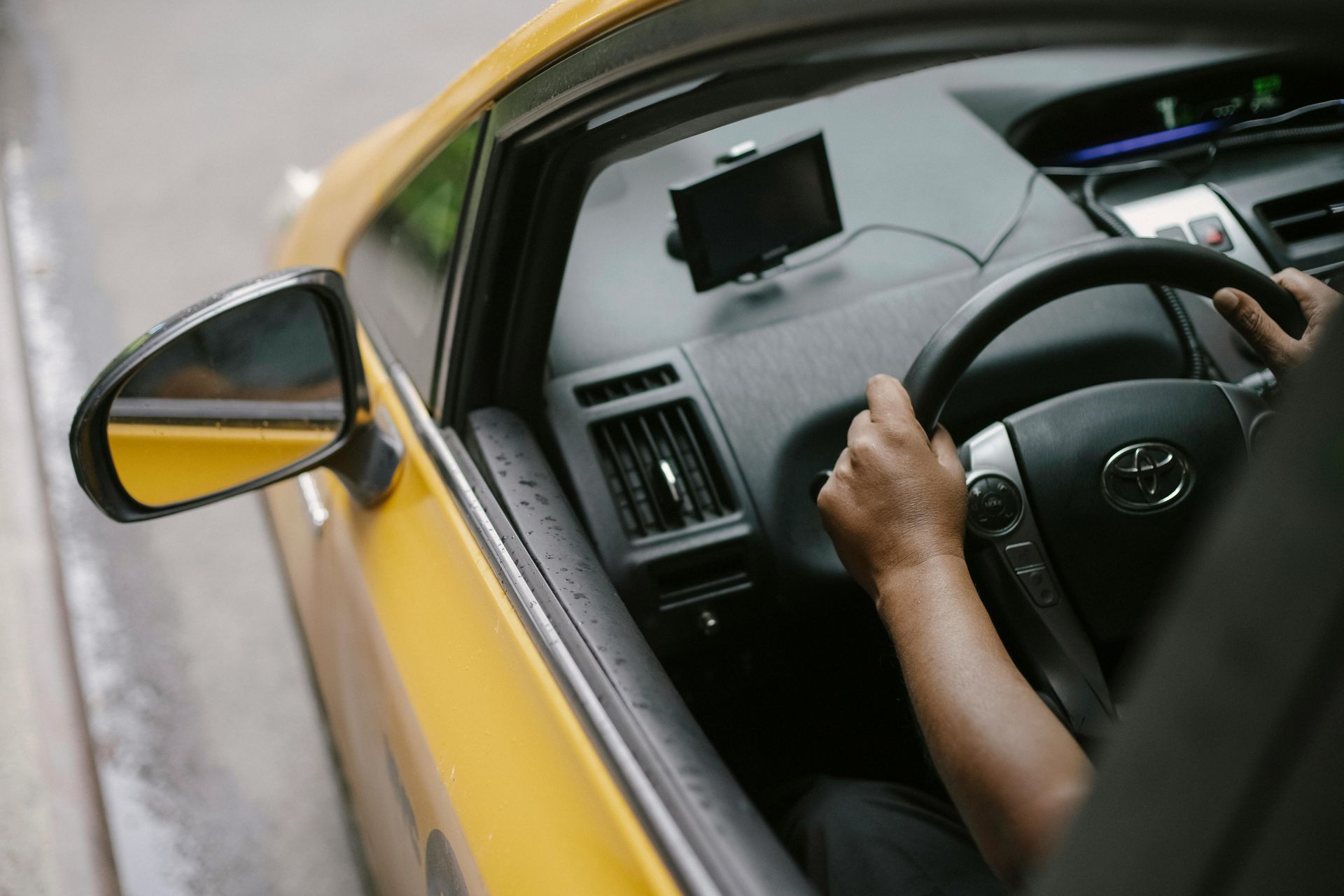

Rideshare Accidents Work Differently—It Depends on the App Status
After an Uber or Lyft accident, the biggest question is usually: which insurance actually applies? The answer depends on what the driver was doing at the time—whether the app was off, waiting for a ride, en route, or actively transporting a passenger. Each phase (often called "periods") can trigger different levels of coverage, which is why these cases feel confusing at first. Finlay Law Firm helps you understand how your situation fits into that structure so you can move forward with clarity.
In Miami, rideshare traffic is especially heavy around Miami International Airport, Brickell, and South Beach, where constant pickups and drop-offs increase the likelihood of collisions. These patterns often lead to layered insurance claims involving multiple companies. Knowing what to document early—like trip details and app activity—can make a difference in how your claim is handled.
How Rideshare Insurance Coverage Typically Works
Coverage in Uber and Lyft accidents generally follows a tiered structure based on the driver's app status.
App Off (Personal Use)
The driver's personal auto insurance typically applies.
App On, Waiting for a Ride
Limited liability coverage may apply through the rideshare company, depending on the situation.
Ride Accepted, En Route to Pickup
Higher levels of coverage may activate during this phase.
Passenger in the Vehicle
The highest level of rideshare insurance coverage is typically in effect.
Uber and Lyft both publish guidance explaining how these coverage periods work and when their policies apply. While each case depends on specific facts, this structure helps clarify why multiple insurers may be involved.
What You Should Document After a Rideshare Crash
Trip Screenshots
Capture ride details from the app, including driver info and trip timing.
App Status
Whether the driver was actively on a trip or waiting for one can affect coverage.
Ride Receipts and Emails
These help confirm trip status and timing.
Photos and Scene Details
As with any crash, visual documentation supports your case.
Insurance Information
Collect details from all involved parties, including the driver and any other vehicles.
Having this information helps clarify which policies may apply and prevents confusion later.
How Florida PIP Fits Into Rideshare Accidents
Even in rideshare cases, Florida's no-fault system often means your own Personal Injury Protection (PIP) coverage may apply first for medical expenses and lost wages. This can feel confusing when multiple insurance policies are involved, but it's a common starting point in Florida injury claims. From there, additional options may depend on the severity of your injuries and how liability is determined.
If you're unsure how PIP works more broadly, it may help to review how it applies in a typical car accident case before comparing it to rideshare situations.
Why Rideshare Claims Can Become Complicated
This is where having a single, structured approach helps you avoid getting bounced between insurers without clear answers.
Multiple Insurance Policies
Personal, rideshare, and third-party policies may all be involved.
Unclear Responsibility
Determining fault can depend on app status, driver behavior, and other factors.
Communication Between Insurers
Claims may be passed between companies, creating delays or confusion.
Coverage Disputes
Insurers may disagree on which policy applies or how much coverage is available.
Real Feedback From Clients

Vanessa V.
Derwyn G.
Dr S.
Selena G.
Irene S.
Ana U.
Erika B.
Cristina B.
Miguel C.
Ready to Have This Handled the Right Way?
The next step is working with someone who understands how these layered claims are structured and how to navigate them without unnecessary delays. Finlay Law Firm helps you make sense of what applies, what matters, and what to do next. You'll speak directly with Javier and get clear answers without being passed between different points of contact.
Situations Where Experience Makes the Difference
Passenger Injured During a Ride
If you were in the vehicle during an active trip, higher coverage levels may apply, but documentation still matters.
Driver Logged In but Waiting
Coverage may be more limited, making it important to understand what policies are triggered.
Third-Party Driver Hit by Rideshare Vehicle
Liability and coverage may depend on the rideshare driver's app status at the time.
Serious or Long-Term Injuries
When injuries extend beyond initial treatment, planning for future care becomes part of the case.
FAQ
Common Questions About Rideshare Accidents
What if the rideshare driver's app was off?
In that case, the driver's personal auto insurance typically applies rather than rideshare coverage.
What if the app was on but no ride was accepted yet?
Limited rideshare company coverage may apply, depending on the situation.
What if I was a passenger in an Uber or Lyft?
During an active trip, higher levels of rideshare insurance coverage are generally in place.
Do I still use PIP first in Florida?
Yes, in many cases your own PIP coverage may apply first for medical expenses and lost wages.
How long do I have to file after a rideshare crash?
In many cases, Florida law provides a two-year timeframe, though details can vary depending on the situation.
Get Clear Answers Before You Deal With Multiple Insurers
Rideshare accident claims can feel overwhelming because of how many moving parts are involved. Finlay Law Firm helps you understand which coverage applies and how to move forward without unnecessary confusion. Clients across Miami-Dade—including Hialeah, Miami Gardens, and Homestead—reach out when they want straightforward answers and direct access to their attorney.