
What To Do After a Personal Injury
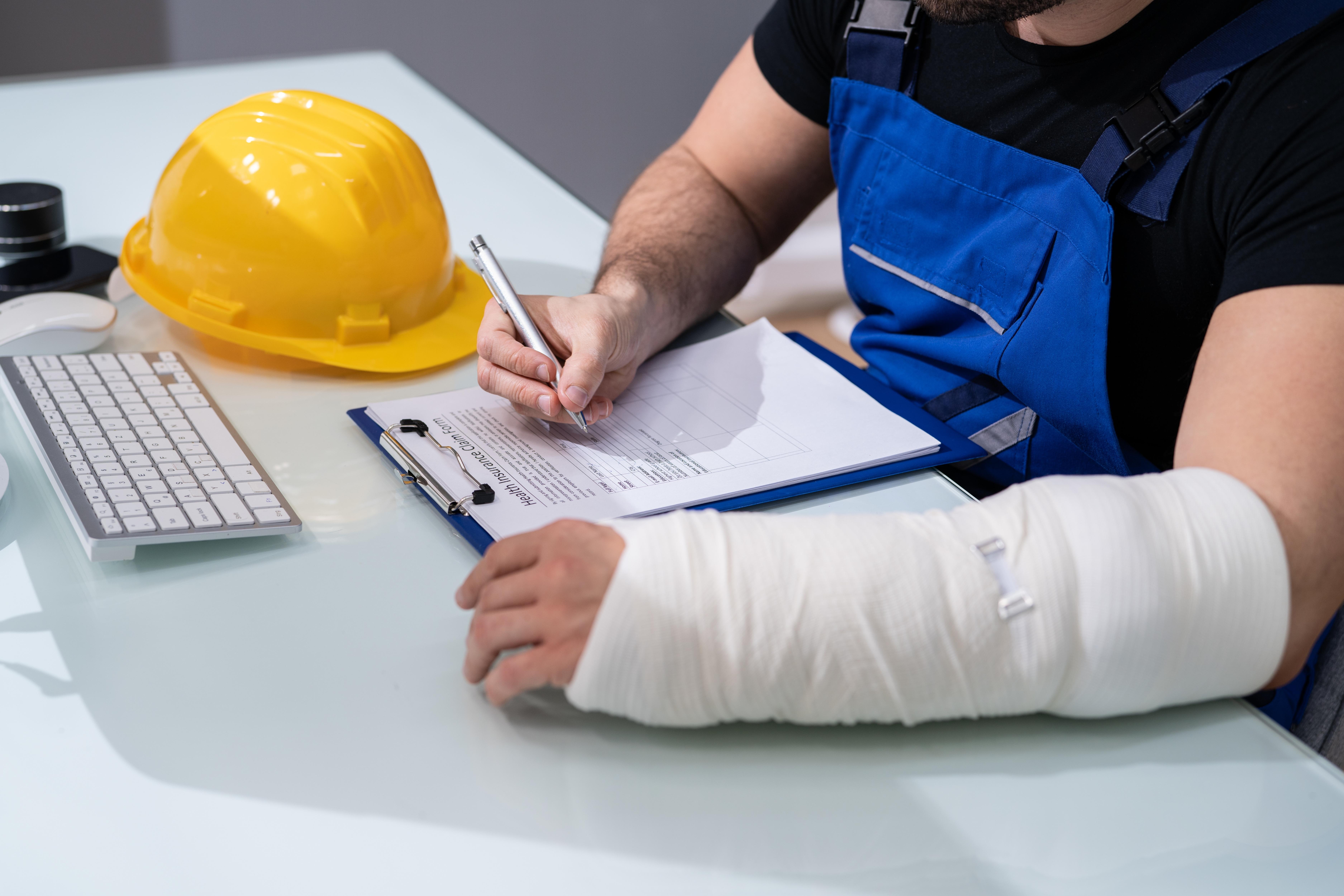
An unexpected accident can throw your entire routine off balance. Whether the injury happens in a car crash, a fall, or another serious event, the aftermath often brings pain, medical visits, pressure from insurance companies, and stress about missed work. Understanding the right steps to take can help protect your health and support any future claim.
Each decision you make after an injury can influence your recovery and any personal injury case you may pursue. Staying informed, organized, and proactive can make the process less overwhelming.
Below are essential actions to consider after an accident.
Seek Prompt Medical Attention
Your well-being should always be the top priority. Even if the injury seems minor at first, getting examined by a healthcare professional quickly is crucial.
Certain injuries take time to show symptoms. Stiffness, discomfort, or other issues may not appear for hours or days. Early treatment can uncover hidden problems and prevent them from worsening.
Additionally, medical records provide a thorough timeline of your injuries, diagnoses, and treatment plan. These documents may be vital if questions arise about the severity of your condition or how the injury occurred.
Make an Official Report
After a personal injury, report the incident to the correct authority or responsible party as soon as possible.
This step might involve contacting law enforcement, notifying a property owner, completing a workplace incident report, or informing your employer. Having an official record creates documentation of the location, date, and circumstances of the accident.
Clear reporting early on helps avoid misunderstandings and preserves important details for future reference.
Document the Scene and Gather Key Details
If you are able, try to capture as much information about the incident scene as quickly as possible. Conditions at the time of the accident can change fast.
Helpful items to photograph or record include:
- Any visible injuries
- Damage to vehicles
- Hazards on the property
- Weather at the time of the incident
- Safety or warning signs
- The broader surroundings
If people witnessed the event, try to collect their names and contact information. Having accurate details from the beginning can make it easier to understand the cause of the accident later.
Stay Organized With Important Records
A personal injury can create unexpected financial challenges. Keeping track of documents related to your medical care, property damage, and missed work can be very helpful.
Be sure to save records such as:
- Invoices for medical treatment
- Receipts for medications
- Notes or files from physical therapy
- Estimates for repairs
- Pay stubs reflecting lost income
- Mileage or travel costs for medical appointments
Maintaining a personal journal can also strengthen your documentation. Writing down pain levels, mobility challenges, sleep issues, and everyday limitations paints a clearer picture of how the injury impacts your life.
Use Caution When Communicating With Insurance Companies
Insurance adjusters often reach out quickly after an accident. While they may seem supportive, it is important to proceed carefully.
Providing a recorded statement, accepting a fast settlement, or signing documents too early might affect your ability to recover full compensation. Initial offers may overlook future medical needs, long-term treatments, or income you may lose later.
Before agreeing to anything or signing paperwork, make sure you fully understand your rights and available options.
Follow Your Doctor’s Treatment Plan
Once medical care begins, consistently follow the recommendations given by your healthcare provider.
Missing appointments or pausing treatment can make it more difficult to demonstrate the full extent of your injuries. These gaps may create questions about your recovery or overall condition.
If you feel uncertain about any part of your treatment, speak directly with your provider rather than stopping care on your own.
Use Discretion on Social Media
Many people do not realize how online activity can influence a personal injury case.
Photos, comments, videos, and check‑ins can be misinterpreted or used to question the seriousness of your injury. Even posts that seem unrelated may be taken out of context.
While your claim is still pending, it is generally best to avoid sharing anything related to your accident, injuries, or recovery process.
Act Without Delay
Personal injury cases must follow specific deadlines, and those timelines may differ based on the situation.
Waiting too long to act can make it harder to preserve evidence, find witnesses, or protect your legal rights. Getting guidance early can help you understand the steps involved and make informed choices from the start.
Taking the right steps after a personal injury can have a meaningful impact on your recovery and any future claim. Although every situation is different, getting prompt medical care, keeping organized records, and staying informed can help you avoid common challenges. If you have questions about your next steps or need support after an accident, our team is ready to assist you.