
Fireworks Safety Month - June 1 - July 4 - Legal Considerations
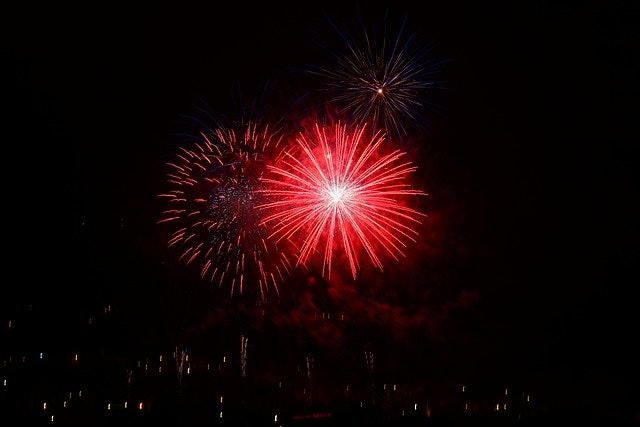
Fireworks Safety Month arrives each June as communities prepare for summer festivities and the Fourth of July. These celebrations can be exciting, but they also bring a surge in preventable accidents. Fireworks are a tradition across South Florida, yet their misuse leads to thousands of injuries and complex liability questions every year. Understanding the risks and the laws involved can help families celebrate more safely.
This guide offers a clear overview of common injury risks, how Personal Injury Law applies, and what steps individuals can take if an accident occurs. The Finlay Law Firm in Coral Gables regularly assists those hurt in preventable incidents, and this information can help you stay prepared as Fireworks Safety Month begins.
Why Fireworks Injuries Spike Around July 4
The weeks surrounding Independence Day consistently bring a dramatic increase in accidents involving fireworks. A major reason is the rise in consumer use, especially during backyard gatherings and informal celebrations. Many of these incidents occur when individuals handle fireworks without adequate experience or ignore essential safety practices.
While many assume that large public shows pose the biggest danger, data shows the opposite. Most injuries occur during private events where consumer-grade devices are used in unsafe conditions. Even when fireworks are legal, improper setup, poor supervision, and overcrowded areas can quickly lead to serious harm.
Common Firework Injuries to Watch For
Fireworks can cause injuries ranging from mild to life-changing. Knowing the most frequent types of harm helps highlight why caution is essential.
Burn Injuries
Burn Injuries represent the largest share of fireworks-related harm, accounting for roughly 37% of annual cases. Hands, arms, fingers, and other exposed body areas are especially vulnerable.
Even sparklers—which many people view as harmless—can burn hot enough to cause severe tissue damage. Malfunctions, unexpected explosions, and unstable setups can all lead to dangerous burn injuries that require medical care and follow-up treatment.
Eye Injuries
EyeInjuries are often among the most devastating. When spectators stand too close or when fireworks are launched at unsafe angles, debris and intense heat can cause permanent vision loss.
Corneal burns, penetrating injuries, and trauma from blast force all require urgent medical evaluation. Because eye damage can have lifelong consequences, immediate treatment is essential.
Lacerations, Fractures, and Hearing Damage
Fireworks accidents also produce injuries far beyond burns. Faulty devices can send metal fragments or casing materials flying into crowds, causing deep cuts or even fractures.
The explosive sound of fireworks can damage hearing at close range, resulting in temporary or permanent loss. Smoke, chemicals, and debris may also irritate the lungs, especially in tight or poorly ventilated spaces.
Severe Blast Injuries
High-powered aerial shells and mortar-style fireworks carry the highest risk. These devices can cause catastrophic trauma, including amputations or long-term physical impairment.
When injuries reach this level, the legal and financial stakes increase significantly, especially when negligence or unsafe conditions contribute to the incident.
Liability Risk After a Fireworks-Related Incident
When someone is hurt during a fireworks display, questions of responsibility often follow. Under PersonalInjuryLaw, liability depends on whether the individuals involved acted with reasonable care.
Duty of Care
Anyone using fireworks has a basic legal obligation to take reasonable precautions. This includes selecting a safe launch zone, keeping distance between spectators and devices, and following all manufacturer safety guidance.
If a person neglects these precautions and causes harm, they may be held legally responsible.
Negligence Factors
Liability exposure increases when individuals take unnecessary risks, such as:
- Ignoring written safety instructions
- Letting minors handle fireworks without supervision
- Launching fireworks toward people or buildings
- Failing to create buffer zones or safety barriers
- Using fireworks in prohibited or hazardous locations
Court evaluations focus on whether a reasonable person would have acted differently to avoid the danger.
Premises Liability
Property owners and event hosts may also face liability if poor conditions on their premises contribute to an injury. Crowded viewing spots, inadequate lighting, and unsafe launch areas can all shape how responsibility is assigned.
Regulatory Compliance
Local laws govern which fireworks can be used, where they can be launched, and when they are allowed. Violating these rules can strengthen claims of negligence and may complicate insurance coverage for those involved.
Insurance Factors
Some homeowners’ policies offer limited coverage for fireworks accidents, while others exclude incidents tied to illegal or reckless use. Serious injuries often surpass standard policy limits, increasing financial exposure for responsible parties.
The Financial Impact of a Fireworks Accident
The true cost of a fireworks injury often extends far beyond the first medical visit. Victims may require ongoing treatment, rehabilitation, specialist appointments, or long-term care.
Time away from work can also lead to lost income. In Personal Injury Law claims, compensation may cover pain and suffering, emotional distress, reduced earning capacity, and permanent scarring—depending on the case.
Steps to Take If You Are Injured
If a fireworks incident causes injury to you or a loved one, taking certain steps quickly can make a meaningful difference.
- Seek prompt medical care, even for injuries that appear minor
- Photograph the area, the device, and visible injuries
- Collect witness names and contact details
- Save the product packaging or remnants of the device
- Notify any relevant insurance carriers
- Keep organized records of all related expenses and communication
Consulting with an attorney early can also help protect your rights. The Finlay Law Firm offers guidance to individuals navigating these situations and can explain how state laws apply before you communicate with insurers or other involved parties.
Celebrate Safely This Summer
Fireworks are an exciting part of July traditions, but they require responsible handling and awareness. Understanding FireworkInjuries and LiabilityRisk helps families make safer choices as Fireworks Safety Month arrives.
If you have questions about a firework-related injury, our team at the Finlay Law Firm is here to help. Visit our website or call us for a confidential consultation at our Coral Gables office.